📋 Executive Clinical Takeaways
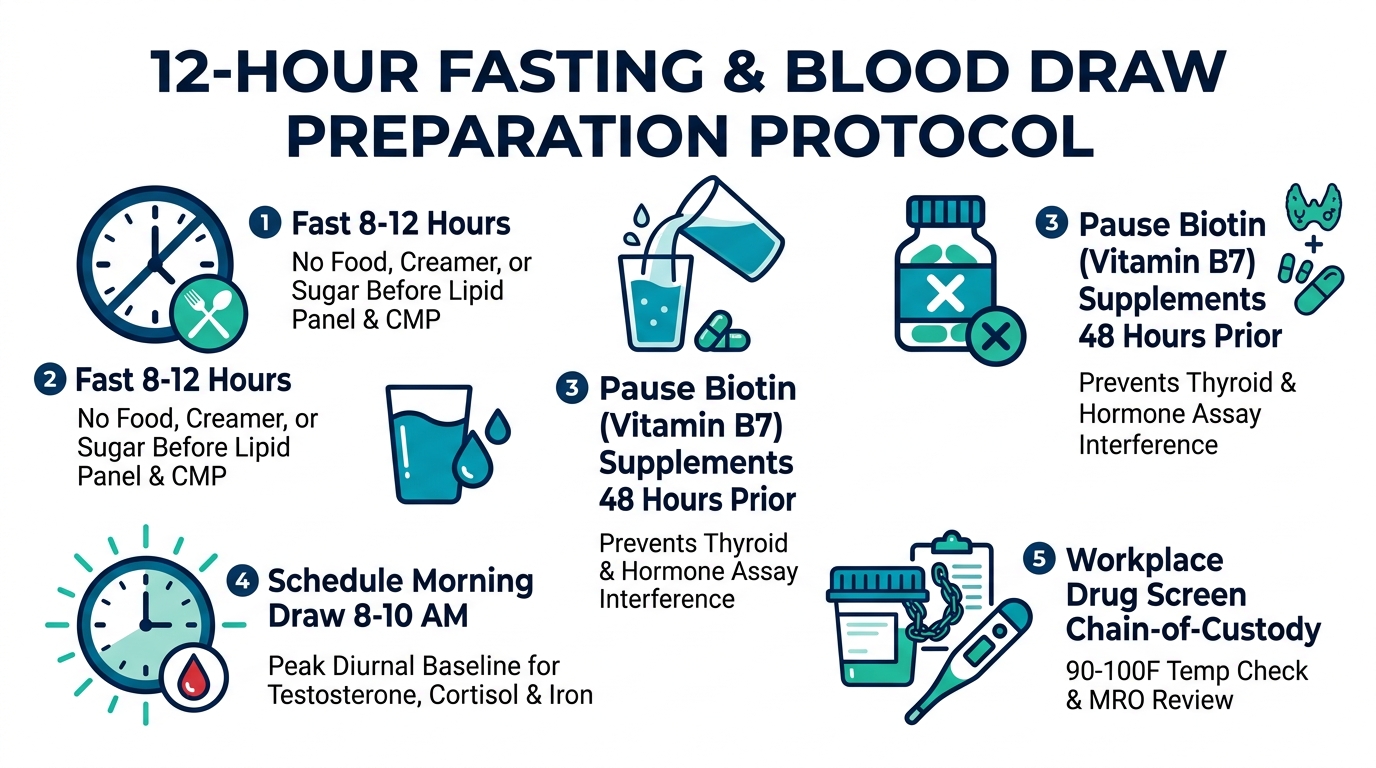
- Fasting Means Zero Calories, Not Zero Water: Even 30 calories of creamer or oat milk triggers gallbladder contraction and intestinal chylomicron release—spiking serum triglycerides by up to 40% for 6–9 hours. However, drinking 16–24 oz of plain water is strongly encouraged!
- Pause Biotin (Vitamin B7) 72 Hours Before Blood Work: High-dose hair, skin, and nail supplements contain mega-doses of Biotin that interfere with streptavidin-biotin immunoassays, causing falsely alarming Thyroid (TSH/Free T4) and hormone readings.
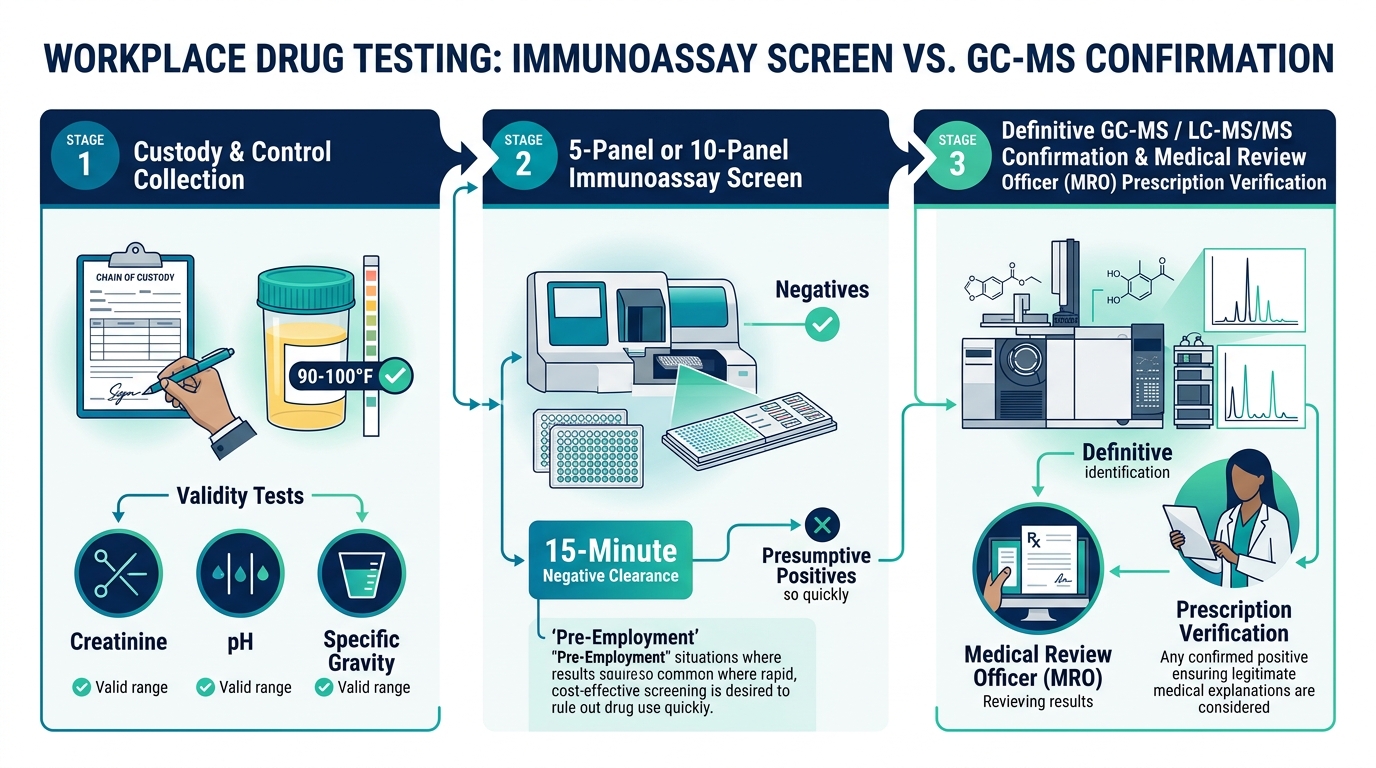
- Tamper-Evident Chain of Custody: UR Next Lab provides Jacksonville employers, schools, and individuals with rapid 5-Panel, 10-Panel, and 12-Panel Urine Drug Screens featuring digital temperature verification, adulteration checks, and MRO/GC-MS confirmation.
1. Why What You Do 12 Hours Before Your Lab Visit Changes Your Results
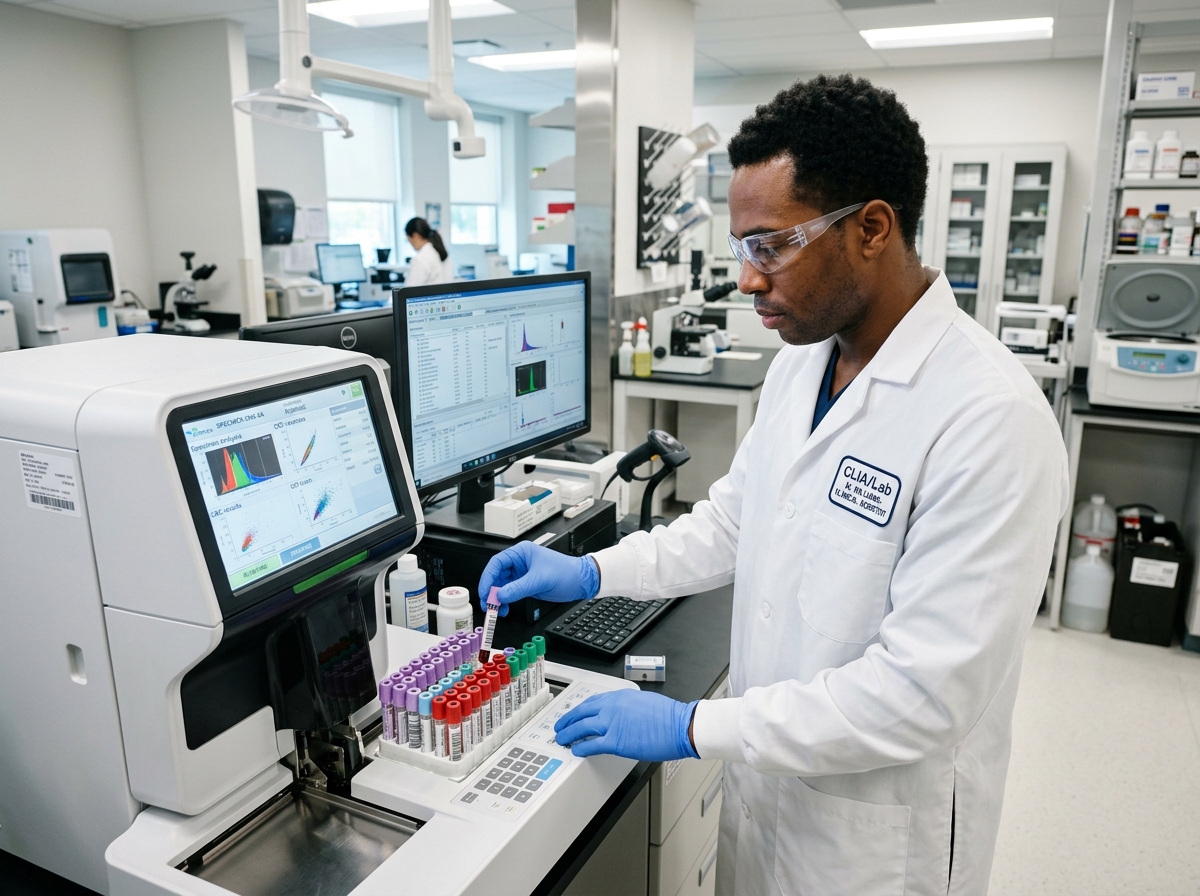
Modern automated clinical chemistry and immunoassay analyzers at UR Next Lab and Services Solutions, LLC (6015 Chester Cir Ste 108, Jacksonville, FL 32217) are capable of measuring hormones and metabolites at picogram-per-milliliter concentrations—equivalent to detecting a single pinch of salt dissolved inside an Olympic swimming pool. Because these instruments are so remarkably sensitive, your pre-visit preparation during the 12 hours prior to collection plays a decisive role in whether your lab report reflects your true baseline physiology or a temporary dietary artifact.
In this two-part clinical masterclass, we break down the exact biochemistry of patient fasting, hydration, supplement interferences, circadian hormone peaks, and federal Chain-of-Custody workplace toxicology standards.
2. The Physiology of 8–12 Hour Fasting: Chylomicrons, Lipemia & Insulin
Why do clinicians insist on an 8-to-12-hour overnight fast before a Comprehensive Metabolic Panel (CMP), Fasting Blood Glucose, or Cardiovascular Lipid Panel? When you consume a meal containing fats or carbohydrates, two immediate physiological cascades occur:
- Post-Prandial Lipemia (Chylomicron Surge): Dietary fats are packaged by intestinal enterocytes into large, triglyceride-rich lipoprotein spheres called chylomicrons, which enter the bloodstream via the thoracic lymphatic duct. For 6 to 10 hours after eating, chylomicrons circulate in plasma, turning clear straw-colored serum milky or turbid (lipemic). Not only does this elevate serum Triglycerides by 30% to 100%, it also invalidates the Friedewald equation used to calculate LDL-Cholesterol and causes optical light-scattering interference in colorimetric chemistry tests.
- Glycemic & Electrolyte Shifts: Carbohydrate ingestion stimulates pancreatic insulin release, driving glucose, potassium, and inorganic phosphorus from the extracellular bloodstream into skeletal muscle and liver cells—artificially altering electrolyte and glucose baselines.
What Breaks a Clinical Fast? Anything containing calories, amino acids, sugars, or artificial sweeteners that trigger cephalic-phase insulin release: coffee with cream/milk/sugar, bone broth, protein shakes, juice, chewing gum, or mints. Plain water (and black coffee without any additives only if explicitly approved by your physician, though pure water is always safest) is the gold standard.
3. Hydration Science: Why Drinking Plain Water Prevents Hemolysis
One of the most common mistakes patients make when told to "fast after midnight" is abstaining from water. Waking up after 8 hours of sleep without drinking water leaves you in a state of mild physiological dehydration. Dehydration causes two problems during a blood draw:
- Collapsed Superficial Veins: Reduced plasma volume lowers venous hydrostatic pressure, causing veins in the antecubital fossa (inner elbow) to flatten.
- In Vitro Hemolysis & Hemoconcentration: When blood is drawn slowly through a narrowed vein under vacuum pressure, fragile red blood cell membranes can rupture (hemolysis), releasing intracellular Potassium, AST, and LDH into the serum and requiring a repeat draw. Drinking 16 to 24 ounces of plain water 45–60 minutes before your visit completely prevents this!
4. Hidden Assay Interferences: Biotin (Vitamin B7), Strenuous Exercise & Medications
Even if you fast religiously, three often-overlooked factors can skew laboratory results:
- Biotin (Vitamin B7 / Hair, Skin & Nails Supplements): The FDA has issued formal clinical safety communications warning that high-dose Biotin supplements (5,000 mcg to 10,000 mcg) interfere with laboratory immunoassays that use streptavidin-biotin capture technology. Excess biotin in your blood can cause falsely low TSH (mimicking Graves' hyperthyroidism), falsely high Free T4/T3, and skewed Troponin or Vitamin D levels. Clinical Rule: Stop taking Biotin or B-complex supplements at least 48 to 72 hours before your blood draw.
- Heavy Resistance Training (24 Hours Prior): Intense weightlifting, CrossFit, or long-distance running causes microscopic myofibrillar muscle breakdown, temporarily elevating Creatine Kinase (CK), AST, ALT (often mistaken for liver damage!), and Serum Creatinine. Avoid strenuous workouts for 24 hours before routine blood work.
5. Circadian Rhythms: Why You Must Test Testosterone, Cortisol & Iron Before 10:00 AM
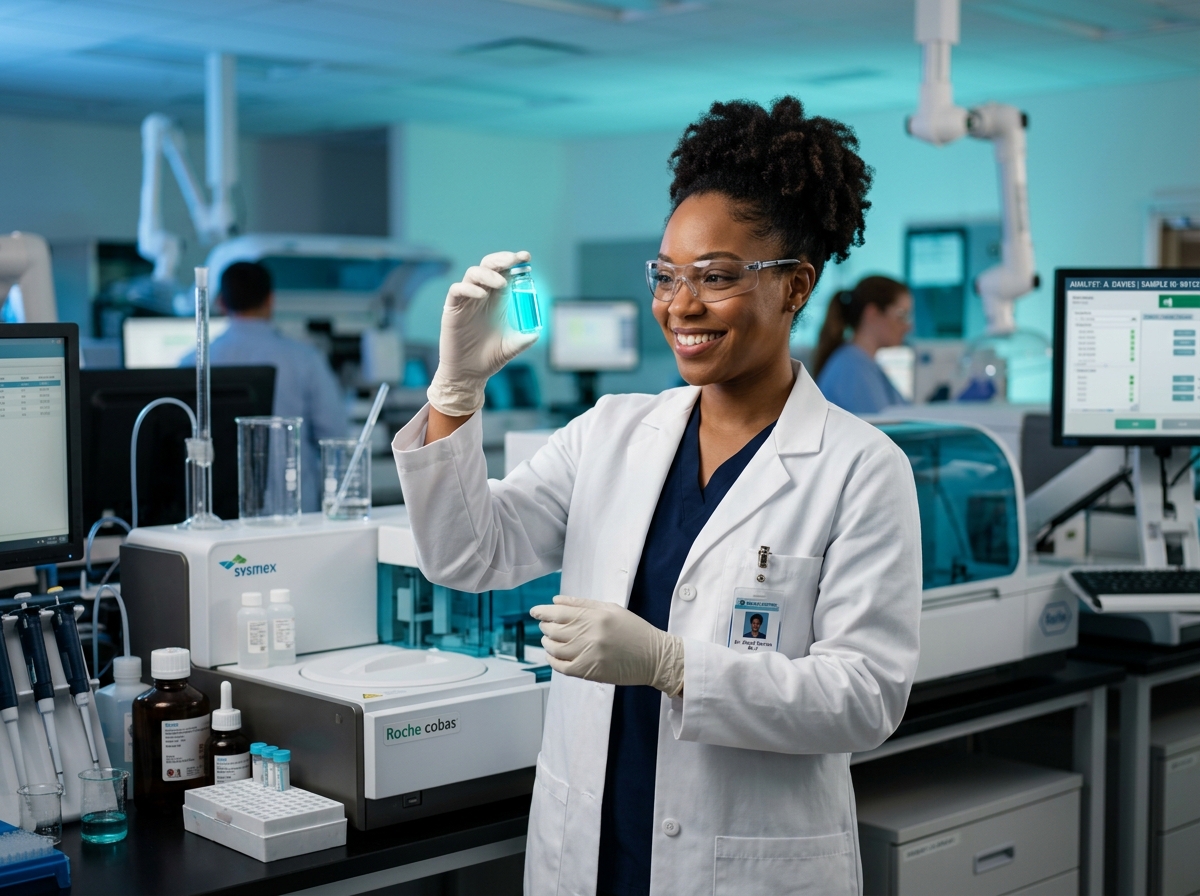
Human endocrine hormones follow a powerful 24-hour circadian oscillation governed by the suprachiasmatic nucleus of the hypothalamus. In healthy adults, Total and Free Testosterone, Serum Cortisol, ACTH, and Serum Iron reach their diurnal peak between 7:00 AM and 9:30 AM, then decline by 25% to 40% by 4:00 PM. Drawing a male patient's testosterone at 4:30 PM can produce a falsely low reading (<300 ng/dL) when his morning baseline is completely normal. Always schedule hormone panels between 8:00 AM and 10:00 AM!
6. Workplace & Chain-of-Custody Urine Drug Screening Standards
In addition to clinical wellness phlebotomy, UR Next Lab Service Solutions serves as a premier Jacksonville collection and testing center for Pre-Employment, Random, Post-Accident, Return-to-Duty, and Court/Probation Urine Drug Screening.
Whether you are an HR director onboarding new hires or an individual needing an immediate certified drug screen for nursing/medical school clinicals or maritime licensing, we provide both 15-Minute Rapid Point-of-Care Immunoassay Cups and full Chain-of-Custody Laboratory GC/MS (Gas Chromatography / Mass Spectrometry) Confirmation.
7. Comparing 5-Panel, 10-Panel & 12-Panel Urine Drug Screens
- Standard 5-Panel Drug Screen: Screens for the five primary SAMHSA/federal drug classes: Marijuana/THC (Cannabinoids), Cocaine (Benzoylecgonine), Amphetamines / Methamphetamines, Opiates (Codeine, Morphine, Heroin metabolite), and Phencyclidine (PCP).
- Comprehensive 10-Panel Drug Screen: Includes all 5 core substances plus Benzodiazepines (Alprazolam, Diazepam, Clonazepam), Barbiturates, Methadone, Propoxyphene, and Methaqualone / Expanded Opioids.
- Extended 12-Panel Healthcare & Safety-Sensitive Screen: Adds semi-synthetic and synthetic opioids including Oxycodone / Oxymorphone, Buprenorphine (Suboxone), Fentanyl, or Ecstasy (MDMA).
8. Specimen Validity Testing (SVT): Temperature, Creatinine, pH & Oxidants
Every toxicology collection at UR Next Lab adheres to strict anti-tampering and Specimen Validity Testing (SVT) protocols:
- Digital Temperature Strip Verification (90°F – 100°F / 32°C – 38°C): Read within 4 minutes of voiding to verify the specimen came freshly from the human body.
- Urinary Creatinine & Specific Gravity: Identifies diluted specimens (creatinine <20 mg/dL) or substituted non-human liquids (creatinine <2 mg/dL).
- pH & Adulterant/Oxidant Checks: Screens for chemical adulterants such as nitrites, glutaraldehyde, bleach, or pyridinium chlorochromate.
9. Master Urine Drug Screen Detection Windows & Cutoff Reference Table
| Substance Class / Metabolite | Standard Immunoassay Cutoff | GC/MS Confirmation Cutoff | Typical Urine Detection Window |
|---|---|---|---|
| Marijuana Metabolite (THC-COOH) | 50 ng/mL | 15 ng/mL | Single use: 3–4 days Moderate: 7–14 days Chronic daily: 21–30+ days |
| Cocaine Metabolite (Benzoylecgonine) | 150 or 300 ng/mL | 100 or 150 ng/mL | 2 to 4 Days |
| Amphetamines & Methamphetamine | 500 or 1,000 ng/mL | 250 or 500 ng/mL | 2 to 4 Days |
| Opiates & Semi-Synthetic Opioids (Oxycodone) | 300 or 2,000 ng/mL (Oxy: 100 ng/mL) | 100 to 2,000 ng/mL | 2 to 4 Days |
| Benzodiazepines (Oxazepam / Nordiazepam) | 300 ng/mL | 100–200 ng/mL | Short-acting: 3–5 days Long-acting (Diazepam): 7–14 days |
| Phencyclidine (PCP) | 25 ng/mL | 25 ng/mL | 3 to 7 Days (Up to 14 days chronic) |
10. Your Ultimate 60-Second Pre-Lab Checklist
- ✅ Fast 8–12 Hours (food & caloric drinks) if ordering CMP, Glucose, or Lipid Panels.
- ✅ Drink 16–24 oz of Plain Water 1 hour before your blood draw (or 8–12 oz before a urine drug screen—avoid over-drinking >40 oz to prevent a "dilute negative" toxicology flag!).
- ✅ Hold Urine for 1–2 Hours if completing a Chlamydia/Gonorrhea NAAT or Urinalysis.
- ✅ Pause Biotin Supplements for 48–72 hours prior to thyroid or hormone blood draws.
- ✅ Bring Valid Government Photo ID (and any prescription bottles for MRO verification during workplace drug screens).
Need a Walk-In Blood Draw or 10-Panel Drug Screen?
Visit UR Next Lab at 6015 Chester Cir Ste 108, Jacksonville, FL 32217 today—or set up a B2B employer account for your team.