
🔬 Executive Clinical Takeaways
- Subclinical Detection: Over 65% of cardiometabolic disorders—including Type 2 diabetes, chronic kidney disease (CKD), non-alcoholic fatty liver changes, and hypothyroidism—progress silently for 3 to 7 years before producing noticeable physical symptoms.
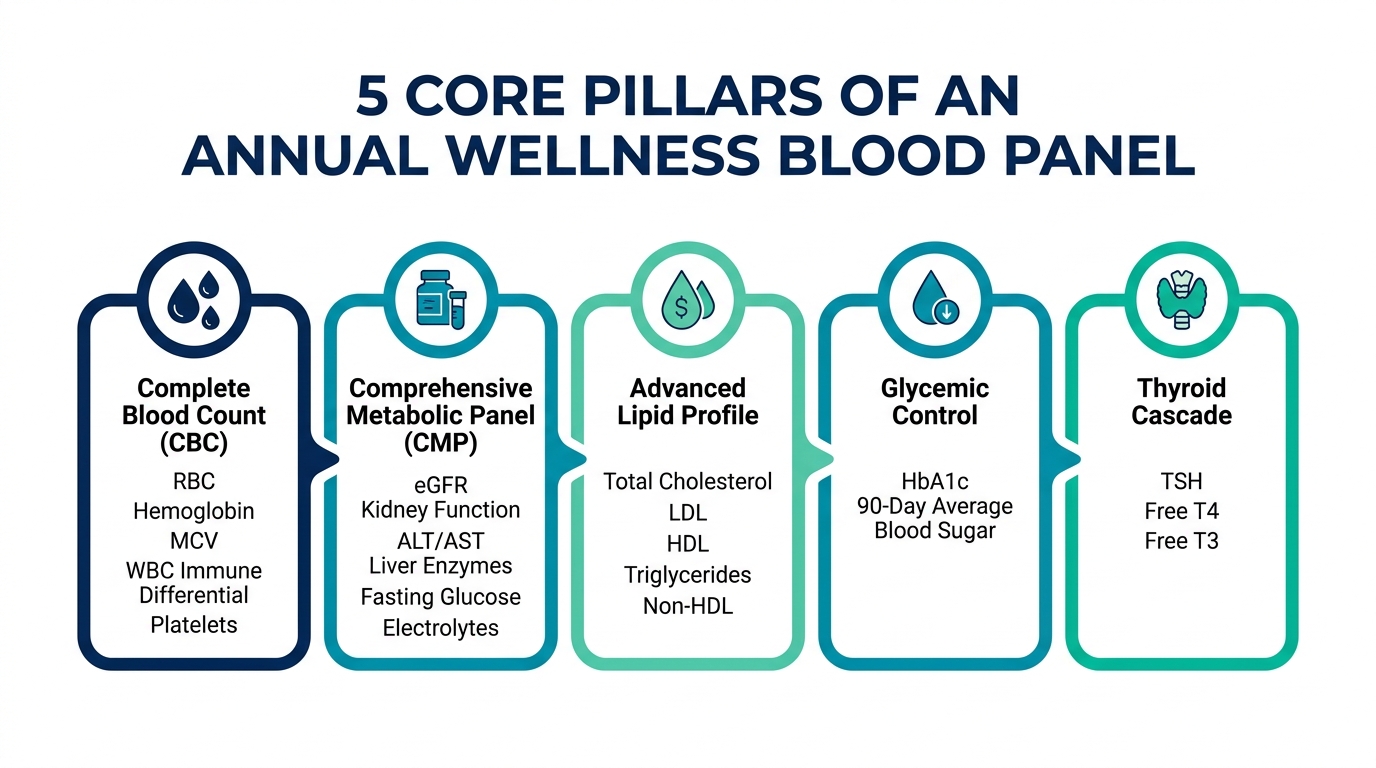
- Core Foundational Panels: An evidence-based annual health screen combines a Complete Blood Count (CBC), a 14-parameter Comprehensive Metabolic Panel (CMP), a Lipid Panel, Hemoglobin A1c (HbA1c), and Thyroid Stimulating Hormone (TSH).
- Direct-Access Freedom in Florida: At UR Next Lab Service Solutions in Jacksonville, FL, patients can order comprehensive wellness blood panels directly without waiting weeks for a primary care referral, with results delivered in 24–48 hours.
1. Why Annual Blood Work Is the Cornerstone of Preventative Medicine
In modern clinical medicine, waiting until you feel fatigued, dizzy, or short of breath to order diagnostic blood work is akin to waiting for a check-engine light to catch fire before checking your oil. The human body possesses remarkable homeostatic compensation mechanisms. Your kidneys can lose more than 50% of their nephron filtration capacity before serum creatinine rises enough to cause physical uremia; your pancreatic beta cells can over-secrete insulin for a decade to mask rising insulin resistance before fasting blood sugar ever crosses the diabetic threshold.
At UR Next Lab and Services Solutions, LLC (located at 6015 Chester Cir Ste 108, Jacksonville, FL 32217), we empower Northeast Florida residents to shift from reactive sick-care to proactive precision wellness. By establishing your personal baseline biomarkers annually—or semi-annually if you are optimizing metabolic performance, hormone therapy, or cardiovascular longevity—you and your physician can spot subtle upward or downward trends while lifestyle, nutritional, or targeted medical interventions are most effective.

2. Complete Blood Count (CBC) With 5-Part Differential: Your Cellular Immune & Oxygen Blueprint
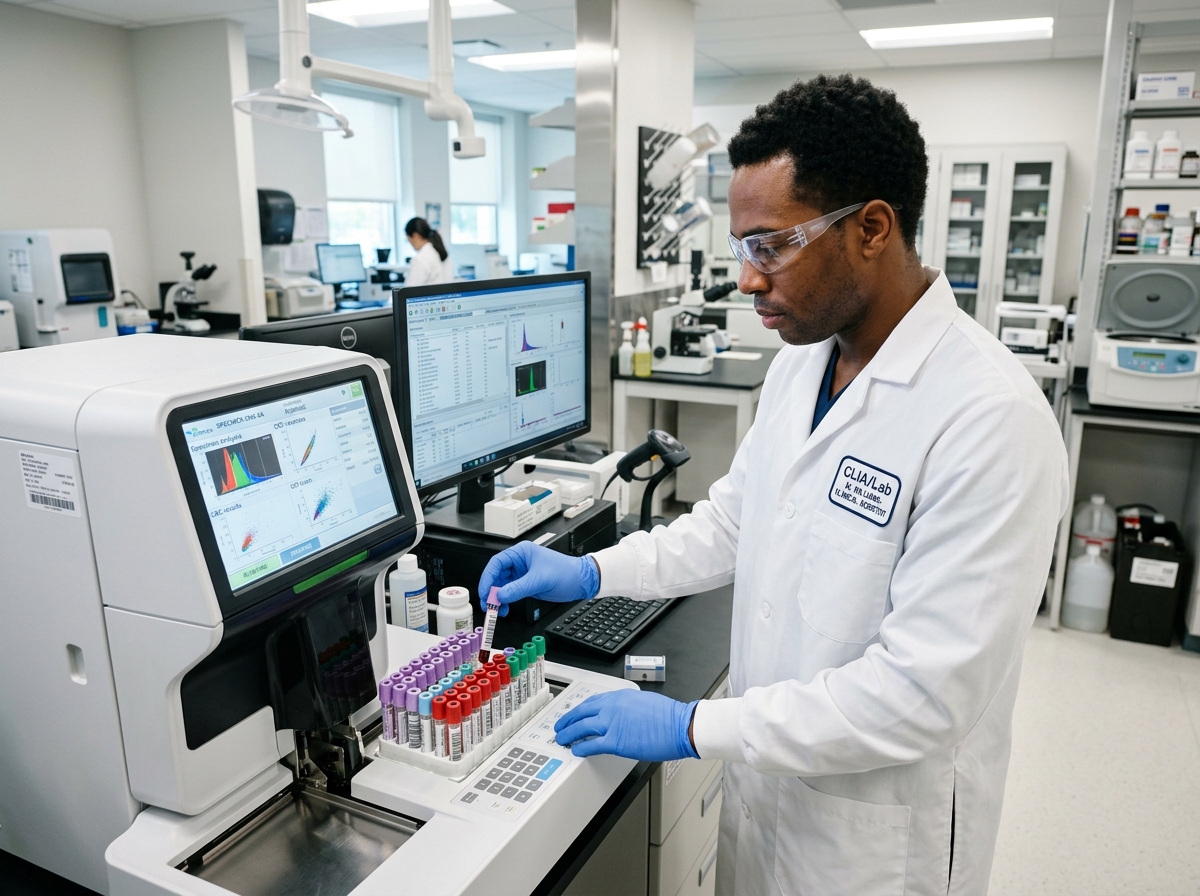
The Complete Blood Count (CBC) with Differential is one of the most foundational hematology assays in clinical pathology. Using automated laser flow cytometry, a CBC evaluates the three major cellular lineages suspended in your circulating plasma: erythrocytes (red blood cells), leukocytes (white blood cells), and thrombocytes (platelets).
Red Blood Cell Indices & Oxygen Transport
- Red Blood Cell Count (RBC), Hemoglobin (Hgb) & Hematocrit (Hct): Hemoglobin is the iron-containing metalloprotein responsible for carrying oxygen from your lungs to peripheral tissues and returning carbon dioxide. Hematocrit measures the percentage of total blood volume occupied by red blood cells. Low values indicate clinical anemia (triggered by iron deficiency, Vitamin B12/folate depletion, occult gastrointestinal bleeding, or chronic inflammation), whereas elevated hematocrit (polycythemia) can result from chronic dehydration, sleep apnea, smoking, or testosterone replacement therapy (TRT).
- Mean Corpuscular Volume (MCV): Measures the average physical size of your individual red blood cells in femtoliters (fL). A low MCV (microcytic anemia, <80 fL) classicly points toward iron deficiency or thalassemia trait, whereas a high MCV (macrocytic anemia, >100 fL) signals Vitamin B12 or folate deficiency, liver dysfunction, or hypothyroidism.
- Red Cell Distribution Width (RDW): Quantifies the variation in size between your smallest and largest red blood cells. An elevated RDW is often the very first hematological warning sign of nutritional deficiency—appearing weeks before hemoglobin drops below normal reference limits.
White Blood Cell 5-Part Differential & Immune Surveillance
Rather than merely counting total white blood cells (WBC), a 5-part differential breaks down your immune army into five distinct cell types: Neutrophils (first responders to acute bacterial infections and tissue inflammation), Lymphocytes (B-cells and T-cells that combat viral infections and regulate adaptive immunity), Monocytes (macrophage precursors that clear cellular debris in chronic infections), Eosinophils (elevated in seasonal allergies, asthma, drug sensitivities, and parasitic exposures), and Basophils (mediators of histamine release).
3. Comprehensive Metabolic Panel (CMP-14): Evaluating Liver, Kidney & Electrolyte Homeostasis
While a Basic Metabolic Panel (BMP) evaluates 8 markers, the Comprehensive Metabolic Panel (CMP-14) measures 14 critical biochemical analytes in venous serum, providing a panoramic assessment of hepatic (liver) synthesis, renal (kidney) filtration, acid-base balance, and blood glucose regulation.
- Renal Filtration Markers (BUN, Creatinine & eGFR): Blood Urea Nitrogen (BUN) is a byproduct of protein metabolism cleared by the kidneys, while Creatinine is a breakdown product of skeletal muscle creatine phosphate. By combining serum creatinine with your age and biological sex, our laboratory calculates your Estimated Glomerular Filtration Rate (eGFR)—the gold-standard metric for staging kidney health (normal is ≥90 mL/min/1.73m²).
- Hepatic Enzymes & Hepatobiliary Function (ALT, AST, ALP & Bilirubin): Alanine Aminotransferase (ALT) and Aspartate Aminotransferase (AST) are intracellular enzymes stored inside hepatocytes. When liver cells experience metabolic stress—from fatty liver (MASLD), alcohol, statin medications, or viral hepatitis—these enzymes leak into the bloodstream. Alkaline Phosphatase (ALP) and Total Bilirubin evaluate bile duct patency and red blood cell heme turnover.
- Serum Proteins (Albumin & Total Protein): Synthesized exclusively by the liver, Albumin maintains oncotic pressure (preventing fluid from leaking into tissues as edema) and transports hormones, fatty acids, and medications throughout the body.
- Electrolytes (Sodium, Potassium, Chloride & Carbon Dioxide/Bicarbonate): Tightly regulated within narrow physiological windows to sustain cardiac action potentials, skeletal muscle contraction, and cellular hydration.
4. Cardiovascular Lipid Panel: Beyond Total Cholesterol
Cardiovascular disease remains the leading cause of morbidity in Florida and across the United States, yet standard "total cholesterol" numbers tell less than half of the story. A complete fasting Lipid Panel at UR Next Lab evaluates four interconnected lipid fractions plus calculated ratios:
- High-Density Lipoprotein (HDL-C): Often termed "protective cholesterol," HDL particles act as reverse cholesterol transporters—scavenging excess cholesterol from arterial walls and returning it to the liver for biliary excretion. Optimal levels are ≥50 mg/dL in men and ≥60 mg/dL in women.
- Low-Density Lipoprotein (LDL-C): The primary atherogenic lipoprotein capable of penetrating damaged vascular endothelium and initiating atherosclerotic plaque formation. Optimal levels are <100 mg/dL (or <70 mg/dL for high-risk cardiovascular patients).
- Triglycerides: Circulating storage fats heavily influenced by dietary refined carbohydrates, fructose, alcohol, and visceral adiposity. Fasting triglycerides above 150 mg/dL strongly correlate with metabolic syndrome and small, dense LDL particles.
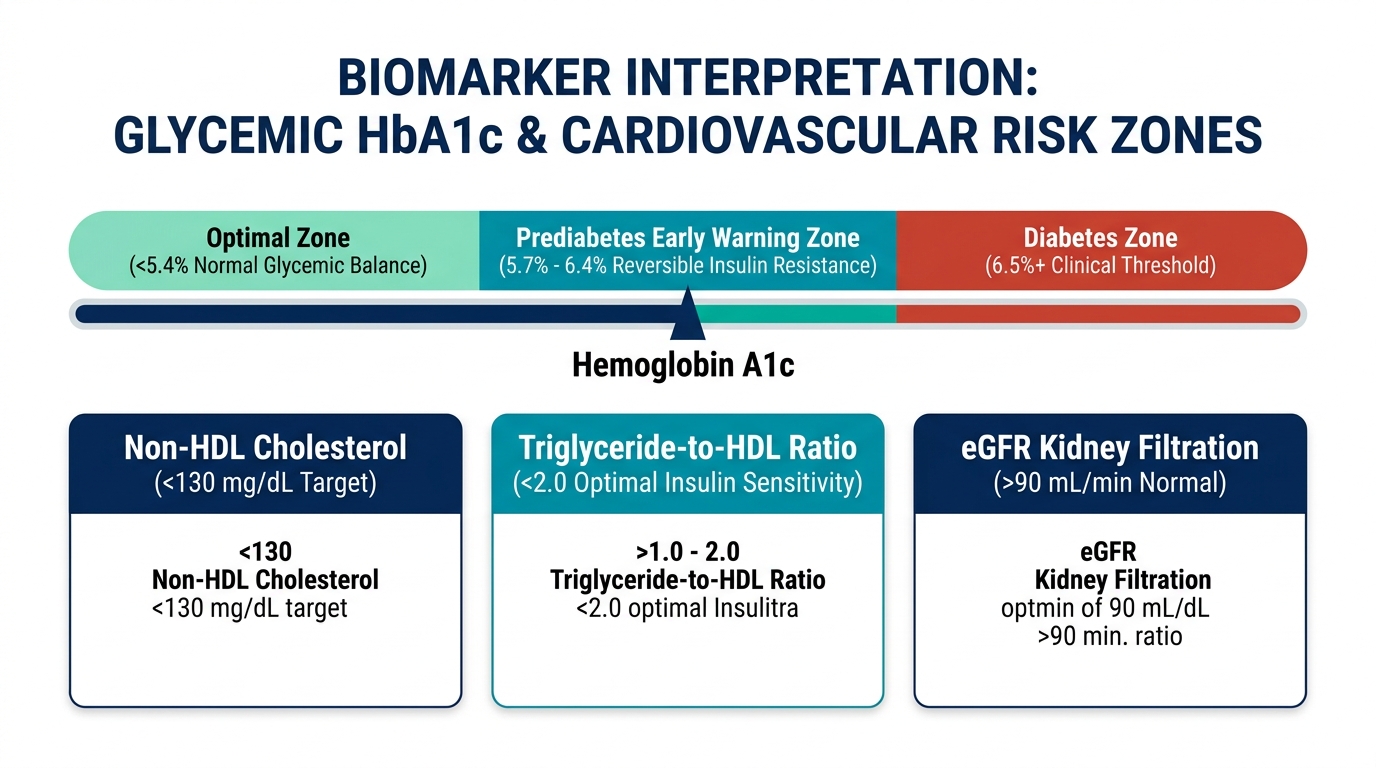
- Triglyceride-to-HDL Ratio: Clinicians increasingly calculate the TG/HDL ratio as a powerful surrogate marker for insulin resistance and small-dense LDL atherogenicity. A ratio below 2.0 is considered optimal; a ratio above 3.5 warrants proactive dietary and metabolic intervention.


5. Hemoglobin A1c (HbA1c): The 90-Day Glycemic Time Capsule
A single fasting blood glucose reading on a CMP only reveals what your blood sugar was at the exact minute the phlebotomist drew your blood—which can fluctuate due to a poor night's sleep, morning cortisol awakening response ("dawn phenomenon"), or pre-visit stress. By contrast, Hemoglobin A1c (HbA1c) measures the percentage of hemoglobin proteins inside your red blood cells that have become irreversibly coated with glucose molecules (glycated).
Because human red blood cells circulate for an average lifespan of 90 to 120 days, your HbA1c provides an weighted 3-month rolling average of your 24-hour blood sugar exposure—with no fasting required for the HbA1c assay itself:
- Normal Metabolic Control: Below 5.7% (optimal longevity target: 4.8% – 5.3%)
- Prediabetes / Early Insulin Resistance: 5.7% to 6.4% (the critical window where lifestyle changes can reverse progression by up to 58%)
- Clinical Diabetes Mellitus: 6.5% or higher on two separate tests
6. The Thyroid Cascade: TSH, Free T4 & Free T3
Your thyroid gland—a butterfly-shaped endocrine organ at the base of your neck—acts as the metabolic thermostat for every nucleated cell in your body, governing basal metabolic rate, body temperature, heart rate, gastrointestinal motility, cognitive sharpness, and hair/skin regeneration.
Many routine clinic checkups order only Thyroid Stimulating Hormone (TSH), a pituitary hormone that signals the thyroid to produce hormones. When TSH rises (typically >4.5 mIU/L, though many integrative clinicians target 1.0–2.5 mIU/L), it indicates your brain is shouting at an underactive thyroid (hypothyroidism). Conversely, a suppressed TSH (<0.4 mIU/L) signals hyperthyroidism or excessive thyroid medication dosing. Adding Free Thyroxine (Free T4) and Free Triiodothyronine (Free T3—the biologically active hormone that enters cell nuclei) reveals whether your body is efficiently converting storage hormone (T4) into active energy hormone (T3).
7. Micronutrients & Systemic Inflammation: Vitamin D, Ferritin & hs-CRP
Even in the "Sunshine State" of Florida, indoor work schedules and sunscreen use leave more than 42% of Jacksonville adults insufficient or deficient in 25-Hydroxy Vitamin D. Acting more like a steroid pro-hormone than a simple vitamin, Vitamin D regulates over 1,000 human genes governing innate immunity, calcium absorption, mood neurotransmitters, and insulin sensitivity.
Equally vital is Serum Ferritin—the intracellular storage protein for iron. Standard hemoglobin tests can remain normal during Stages 1 and 2 of iron depletion while low ferritin (<30 ng/mL) is already causing hair shedding, restless legs, brain fog, and exercise intolerance. Pairing these with High-Sensitivity C-Reactive Protein (hs-CRP) quantifies low-grade vascular and systemic inflammation.
8. Master Clinical Biomarker Reference Table
| Diagnostic Panel / Assay | Key Biomarkers Measured | Standard Reference Range | Fasting Prep | Turnaround |
|---|---|---|---|---|
| Complete Blood Count (CBC) | WBC, RBC, Hemoglobin, Hematocrit, MCV, Platelets, 5-Part Diff | WBC: 4.5–11.0 K/uL Hgb: 13.5–17.5 (M) / 12.0–15.5 (F) g/dL |
No Fasting Required | Same-Day / 24 Hrs |
| Comprehensive Metabolic Panel (CMP-14) | Glucose, BUN, Creatinine, eGFR, ALT, AST, ALP, Bilirubin, Na, K, Cl, CO2, Ca, Albumin | Glucose: 70–99 mg/dL eGFR: ≥90 mL/min ALT/AST: 10–40 U/L |
8–12 Hours Fasting | 24 Hours |
| Cardiovascular Lipid Panel | Total Cholesterol, HDL-C, LDL-C, Triglycerides, VLDL, Ratios | Total: <200 mg/dL LDL: <100 mg/dL Triglycerides: <150 mg/dL |
9–12 Hours Fasting | Same-Day / 24 Hrs |
| Hemoglobin A1c (HbA1c) | 3-Month Glycated Hemoglobin % | Normal: <5.7% Prediabetes: 5.7%–6.4% |
No Fasting Required | 15 Mins (POC) / 24 Hrs |
| Thyroid Panel (TSH + Free T4/T3) | Pituitary TSH, Unbound Thyroxine (T4), Active Triiodothyronine (T3) | TSH: 0.45–4.50 mIU/L Free T4: 0.8–1.8 ng/dL |
Morning Draw Preferred | 24–48 Hours |
| Vitamin D (25-OH) & Ferritin | Total 25-Hydroxyvitamin D, Iron Storage Ferritin | Vit D: 30–100 ng/mL (Optimal 50–80) Ferritin: 30–400 ng/mL |
No Fasting Required | 24–48 Hours |
9. Direct Self-Pay Transparency vs. High-Deductible Insurance Billing
Many patients postpone annual blood work because they fear surprise hospital lab bills that often exceed $600 to $1,200 when billed against an unmet high-deductible health plan (HDHP). At UR Next Lab Service Solutions, we eliminate billing anxiety through two clear options:
- Upfront Self-Pay Wellness Bundles: Know the exact dollar cost before a single drop of blood is drawn—often 60% to 75% less than hospital outpatient lab charges.
- HSA/FSA & Itemized Insurance Superbills: Pay effortlessly with your Health Savings Account or Flexible Spending Account card, and receive a complete CPT/ICD-10 coded Superbill (CLIA #10D2347904, NPI #1538076583) for direct insurance reimbursement.
10. Clinical FAQs & How to Schedule Your Wellness Panel in Jacksonville
Do I need a doctor's order to get annual blood work at UR Next Lab?
No! While we happily accept and execute requisitions from any physician, specialist, or telehealth provider, self-pay patients can walk into our clinic at 6015 Chester Cir Ste 108, Jacksonville, FL 32217 Monday through Friday (8:00 AM – 6:00 PM, closed 12–1 PM for lunch) or book a morning fasting draw online.
How should I prepare the morning of my wellness panel?
Fast from food and caloric beverages for 8 to 12 hours prior to your morning draw, but drink 16 to 24 ounces of plain water. Proper hydration plumps your superficial veins for a painless, single-stick venipuncture.
Ready to Establish Your 2026 Health Baseline?
Walk into our Jacksonville clinic today or build a custom wellness bundle online to see your exact fasting requirements and bundle discount.